


Contact us to schedule a free consultation on your divorce case

Call us today

Sep 21, 2026
The Ultimate Guide to Surrogacy Laws in California
Gestational surrogacy is an assisted reproductive arrangement in which the woman carries the child for intended parents, without being a genetic parent to the baby. California Family Code 7962 provides clear guidelines for the legal aspects of valid surrogacy agreements. A surrogacy agreement terminates the surrogate’s status as a parent and recognizes your rights as parents before your child is born without an adoption proceeding. A court-ordered pre-birth order provides legal certainty of your parentage. This article...
Aug 17, 2026
Difference Between Juvenile Dependency & Delinquency
Juvenile court proceedings in California are civil matters that follow two distinct processes depending on the issues involved. One process focuses on a child’s welfare and parental care as outlined...
Jul 20, 2026
Four Things to Know About California Parental Child Abduction
Parental child abduction in California is a legal issue that is much more complex than a typical custody case. It occurs when a parent takes or retains a child without the other parent's permission,...
Jun 19, 2026
Privilege not to Testify Against Spouse
In California court cases, marital loyalty can sometimes conflict with legal obligations. California Evidence Code § 970 allows a married person to refuse to testify against their spouse in a trial....
May 15, 2026
Uncontested Divorce FAQ
A divorce does not necessarily have to be a battlefield. An uncontested divorce is a collaborative process in which both spouses agree on major issues, like property division, child custody, and spousal support. It is less expensive, considerably quicker, and much less stressful than a conventional courtroom battle. Recent developments in California law, including the expanded use of joint filings, have further simplified the process of filing together. Regardless of whether you are seeking a Summary Dissolution due to shorter...
Apr 22, 2026
The Basics of Annulment in California
California does not necessarily require a divorce to end a marriage. In cases where unions were non-existent in the first place, the law offers a remedy called nullity of marriage, or, more...
Mar 25, 2026
Marrying the Husband or Wife of Another PC 284
California Penal Code 284 PC provides that the act of knowingly and willfully marrying the husband or wife of another individual is a felony offense. The legislation applies to any person who enters...
Feb 27, 2026
Is “Marital Status” a Protected Class in California?
Marital status discrimination in California happens when you are discriminated against in hiring or housing due to your legal marital status, including being single, married, separated, or divorced....
Jan 22, 2026
Marital Status Discrimination in The California Workplace
Workplace marital status discrimination happens when an employer focuses on marital status rather than an applicant’s or employee’s skills or job performance. This type of discrimination is unlawful in California under the Fair Employment and Housing Act (FEHA), as outlined in Government Code section 12940(a). FEHA applies to employers who employ five or more workers. It outlaws practices such as refusing to hire, dismissing, or not promoting employees based on their marital status. In California, there are robust and...
Dec 29, 2025
Dependent Children of the Court, What you Need to Know
A minor placed under the protection and authority of the juvenile court is referred to as a dependent of the court. This is so when that child is at serious risk of harm, abuse, or neglect by a...
Dec 09, 2025
Penal Code § 278.5 PC – Deprivation of Custody
According to California Penal Code §278.5 PC, deprivation of custody refers to any situation in which a person, often a parent, unlawfully takes, keeps, or conceals a child, thereby violating...
Oct 21, 2025
Can I Be Denied Spousal Support If I’m Convicted of a Crime?
Divorce is one of the most complicated legal and personal processes a person can experience. In California, this complexity is heightened when a past or present criminal conviction becomes part of...
Testimonials
After my wife, sadly, picked up her old drug habit from years before our marriage, it wasn't safe to leave her with the kids anymore and she lost all "financial responsibility" in the quest for the next fix. I didn't want a divorce, but I had to do something. Los Angeles Divorce Attorney helped me get a legal separation and child custody, with supervised visitation rights for my spouse.
Josh R. of Los Angeles
I was never married to the father of my children. We had always planned to get it done, for years, but instead, we ended up breaking up and going our separate ways. When that happened, it was thanks to Los Angeles Divorce Attorney that I received the child custody and child support I and my kids so desperately needed.
Elaine E. of Los Angeles
My husband and I decided to get a postnuptial agreement for a variety of reasons, including the inheritance rights of his son from a previous marriage. Los Angeles Divorce Attorney made the process fast, simple, and 100% legally sound.
Barbara M. of Los Angeles
It turned out I couldn't file for divorce due to residency requirements, but Los Angeles Divorce Attorney helped me get an initial legal separation and then, later on, guided me through the divorce process.
Angel S. of Los Angeles
My ex-husband was determined to fight me at every turn during our divorce proceedings. Mr. Devitt analyzed my situation and lowered my stress level. I was also able to avoid costly mistakes. I highly recommend this firm.
A. Rodriguez of Los Angeles
I’d like to thank James for the way he handled my case. The support and care I received from your team was much appreciated.
B. Park of Los Angeles
If you’re looking for a family law attorney, Los Angeles Divorce Attorney is exactly what you need. The attorneys here radiate honesty and will make you feel confident from the word go.
P. Weissman of Los Angeles
Jay and his team represented me in my child custody case. They came with the best game plan, made a lot of key points, and fought for me. Thank you for your professionalism, hard work, and emotional support.
H. Campbell of Los Angeles
I can’t say enough about the professionalism of this law firm. Highly recommended.
C. Powell of Los Angeles


Other Practice Areas
- Adoptions
- Alimony
- Alimony and Taxes
- Alternatives to Monthly Alimony Payments
- Annulments
- Bankruptcy & Divorce
- Breach of Fiduciary Duty in Divorce
- Celebrity Divorce
- Child Custody
- Child Custody and Visitation
- Child Relocation Laws
- Child Support
- Child Visitation
- Children's Law
- Collaborative Law
- Common Law Marriage
- Contested Divorce
- Dependency
- Dividing Debt
- Divorce
- Divorce Modification
- Domestic Partnership
- Executive Divorce
- Father's Rights
- Grandparents Rights
- Guardianships
- High Asset Divorce / High Net Worth Divorce
- International Child Custody
- Juvenile Dependency
- LGBTQ Divorce
- Legal Separation
- Marriage Law
- Marriage Money and Property
- Mediation
- Military Divorce
- Order Enforcement
- Parental Alienation
- Parental Rights
- Paternity
- Post Judgment Enforcement / Modifications
- Post-Nuptial Agreements
- Pre-Nuptial Agreements
- Prenuptial Agreement
- Property Division & Complex Property
- Protecting Assets in Divorce
- Protecting Investments in Divorce
- Protecting Professional Practices in Divorce
- Protecting Professional Practices in Divorce
- Reproductive Rights
- Rights Issues
- Same Sex Divorce
- Same Sex Marriage
- Same Sex Marriage with Biological and Non Biological Legal Parent's Rights Issues
- Separation
- Spousal Support
- Step Parent Adoption
- Surrogacy and Artificial Conception
- The California New Parent Leave Act
- The Divorce Process
- Transgender Parent's Rights Issues
- Types of Adoption
- Uncontested Divorce
- Wills and Probate
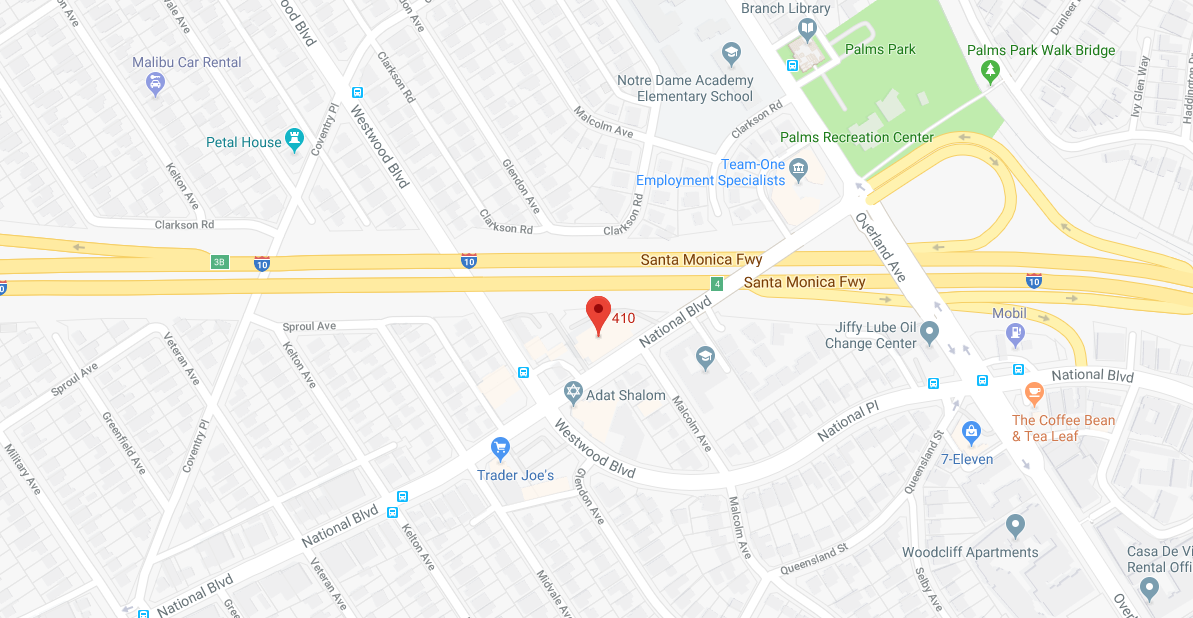
Contact Us Today

Hours of Operation
Mon-Fri: 8am-8am
Saturday: 8am-8am
Sunday: 8am-8am
Contact us today by calling 310-695-5212
We will give you a free, no-obligation consultation and can give immediate attention to your family law legal needs.
Jn Popup
Call Us Today